When I was young, I would sit cross-legged in front of my grandfather's bookshelf and pull down volumes that were far too heavy for me. Books on Sumerian sculpture. Catalogues of Babylonian cylinder seals. Dense, cloth-bound histories of Mesopotamia with illustrations that made my heart race in ways I could not explain. I did not understand most of what I read. But something took hold. A feeling that the world described in those pages was not gone. That it was simply waiting.
My grandfather was Shakir Hassan Al Said.
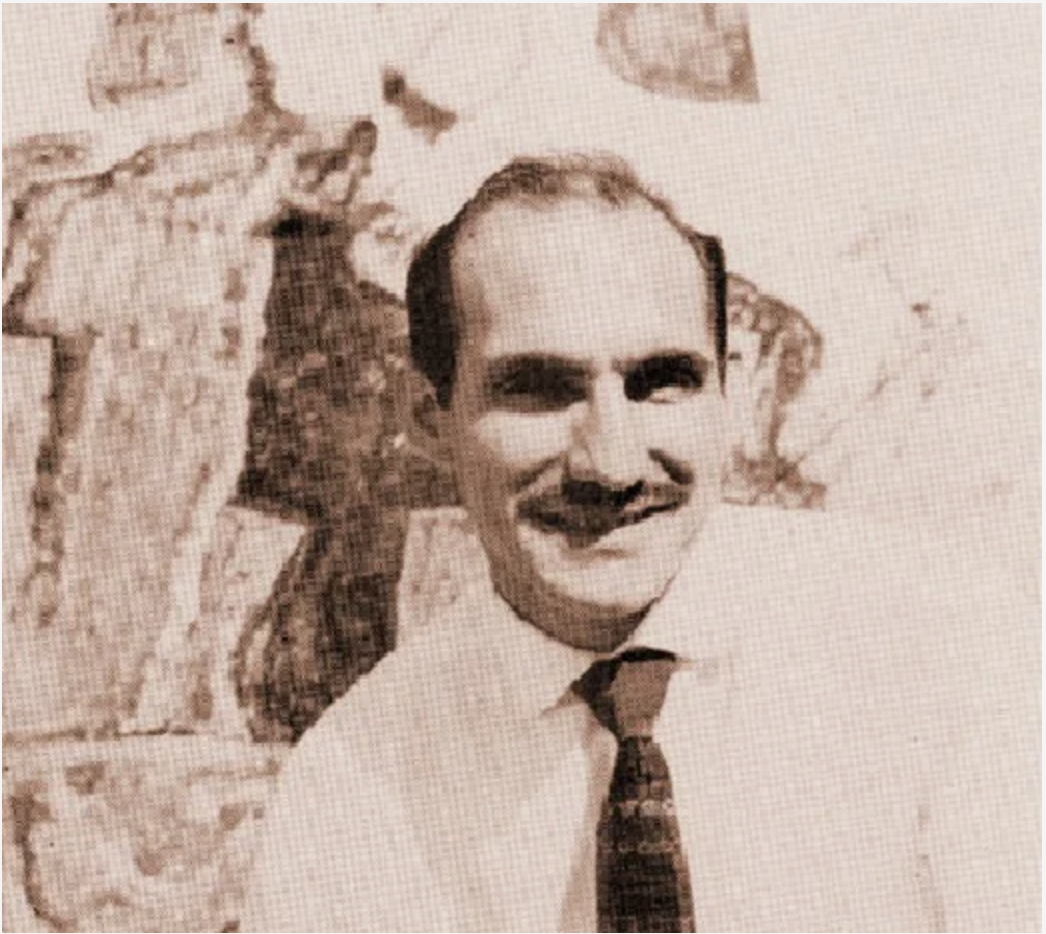
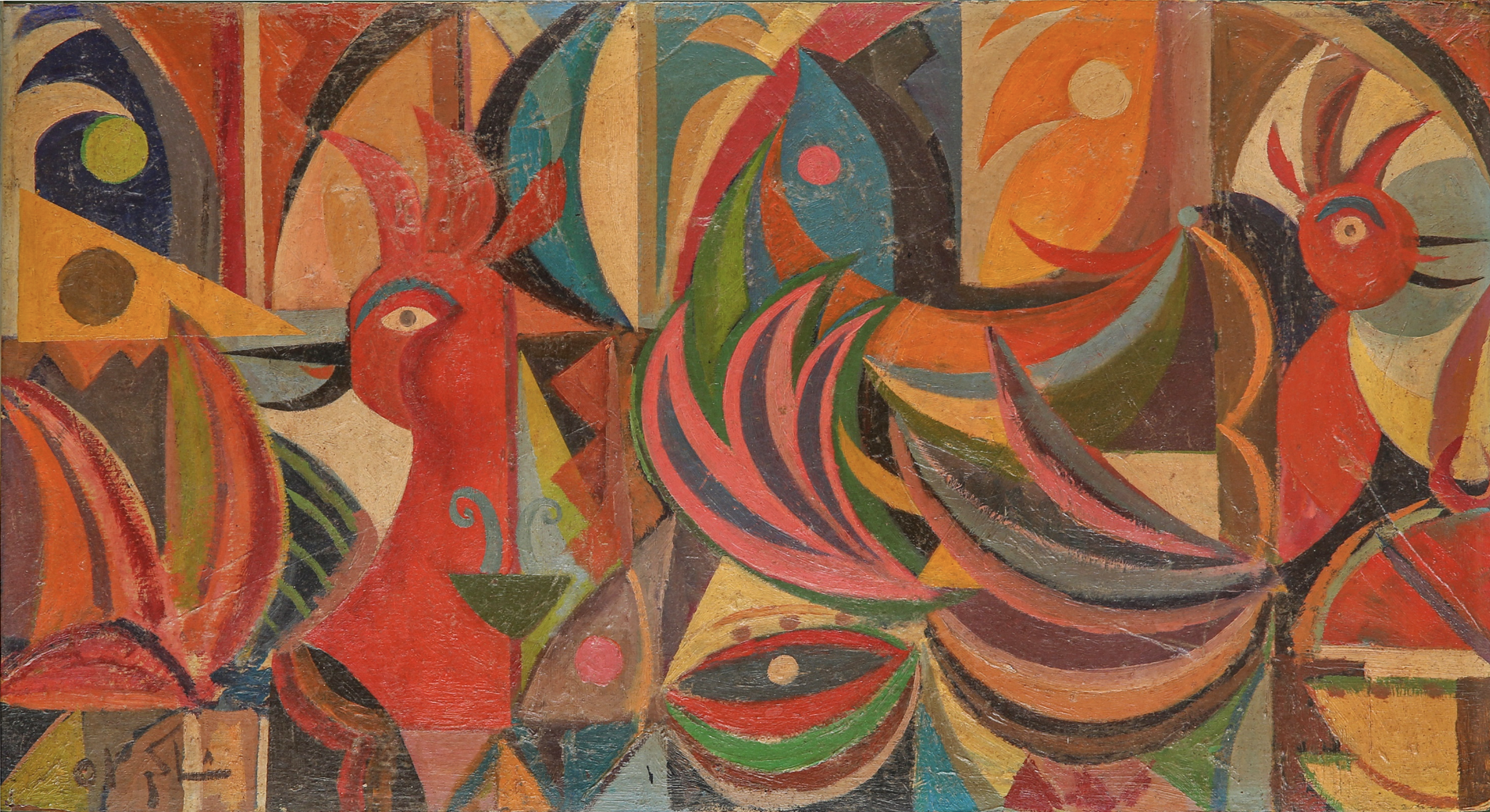
He would go on to become one of the most important artists in the Arab world. A painter, philosopher, and theorist, he co-founded the Baghdad Modern Art Group in 1951 alongside Jewad Selim and wrote its manifesto, the first art manifesto ever published in Iraq. Later, he established the One Dimension Group, whose philosophy drew on Sufi mysticism, Arabic calligraphy, and the deep art traditions of Mesopotamia to create something entirely new. His life's work was a question: how do you honour what came before you while making something that belongs to the present?
It is a question I find myself asking every day.
The Discovery in the Louvre
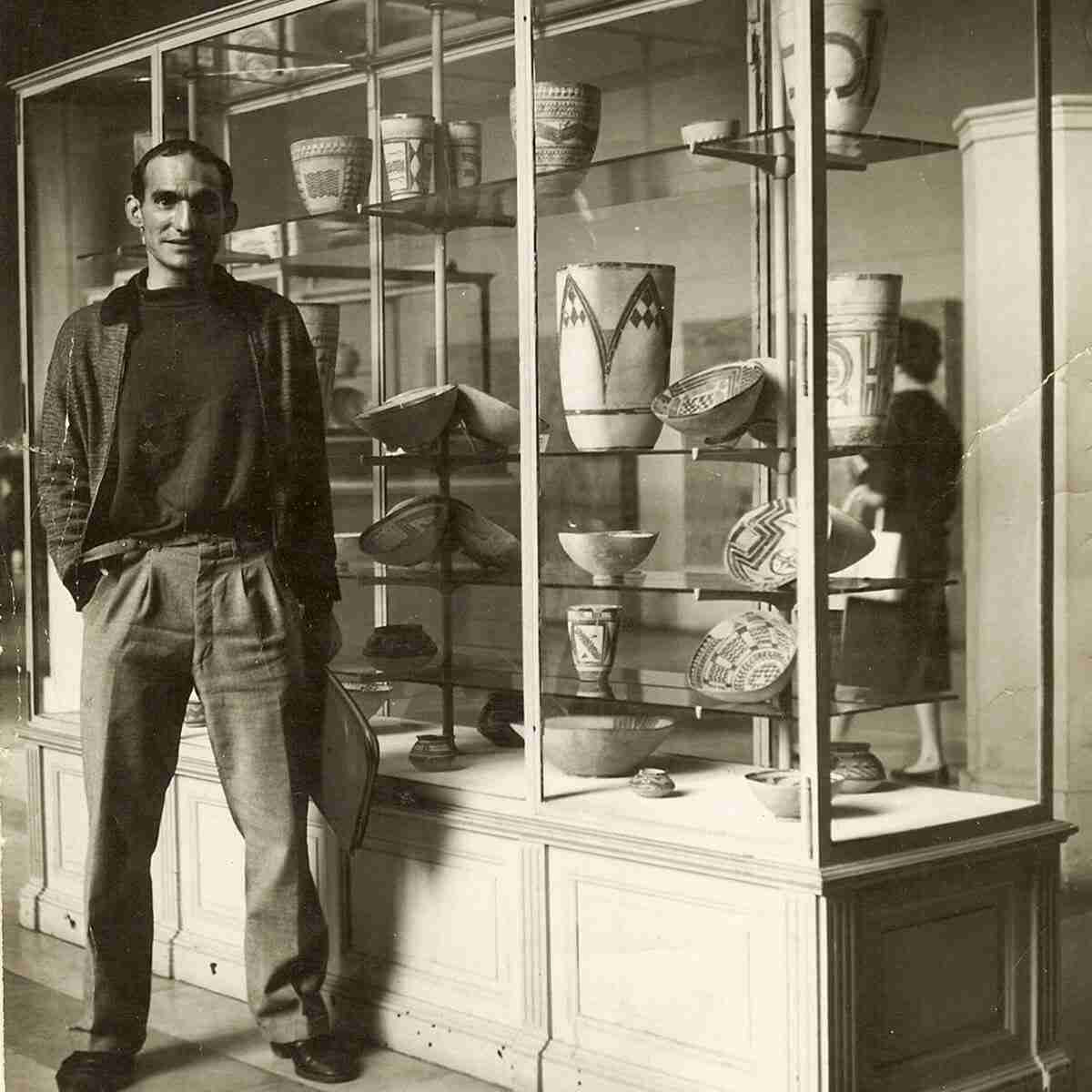
In 1955, my grandfather received a scholarship to study art in Paris. He enrolled at the École des Beaux-Arts, and his daily walk to the studio took him along the Rue de Seine, past the galleries of Western modern art. But the discovery that changed him most was not on the street. It was inside the Louvre.
In the Mesopotamian halls, he found the Sumerian reliefs. Standing before them in a Parisian museum, thousands of miles and thousands of years from their origin, he recognised something: the density of colour in those ancient carvings, the way form dissolved into abstraction, echoed what the European modernists were only just beginning to explore. The ancient world had arrived at these truths first.
This realisation, that tradition and modernity are not in tension but in conversation, became the foundation of everything he built.
The One Dimension
My grandfather's philosophy, which he called Al-Bu'd al-Wahid, the One Dimension, was an attempt to locate the point where the visible and invisible meet. Rooted in Sufi thought, it treated art not as creation but as contemplation. The artist does not invent; the artist witnesses. The surface of a painting is not a barrier but a threshold.
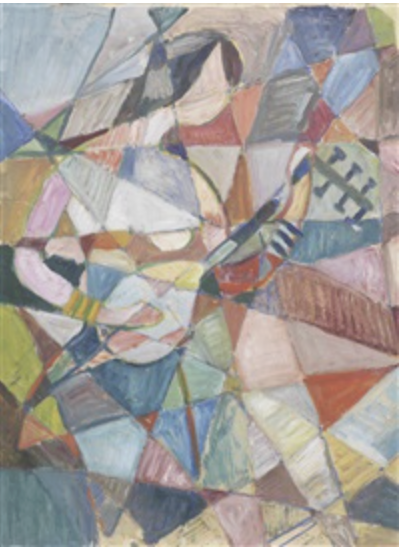
He explored this through Arabic calligraphy, stripping letters of their linguistic meaning and treating them as pure form, geometry charged with spiritual energy. He scratched, burned, and pierced his canvases, searching for what lay beneath the surface. The walls of Baghdad, with their layered graffiti, cracks, and weathering, became as important to him as any canvas. They were records of time itself.
"The One Dimension is eternity, an extension of the past to a time before the existence of the surface itself."
Shakir Hassan Al Said
A Grandson's Inheritance
I did not inherit my grandfather's gift with a brush. I inherited his obsession.
Those books I pulled from his shelves as a child never left me. The civilisation they described, the same one that stared back at my grandfather from the halls of the Louvre, the same one he spent a lifetime translating into paint and philosophy, is the foundation of Nineveh Laboratories.
I am a pharmacist by training, and an incoming medical student. My world is clinical evidence, dosage forms, pharmacokinetics. But I have always been drawn to the question my grandfather spent his life exploring: what happens when you take something ancient and make it present?
The plants and compounds at the heart of our formulations, Nigella sativa, saffron, date syrup, are not trends. They are ingredients that appear in Mesopotamian texts spanning millennia, used by healers in the lands between the Tigris and Euphrates long before the word "supplement" existed. Modern research is now validating what those ancient practitioners understood. We are not reviving the past. We are continuing a conversation that never really stopped.
Design as Philosophy
If you look at the Nineveh Laboratories visual identity, you will see echoes of my grandfather's work, though not in any literal way. The split-tone colour blocking on our packaging, the geometric reduction of our logo, the interplay between dark and light: these draw from the same well.
My grandfather believed that the Arabic letter was not merely a symbol but a form with its own spiritual weight. Our cuneiform-inspired mark carries that same conviction: that a shape can mean more than what it depicts. That design is not decoration. It is an argument about what matters.
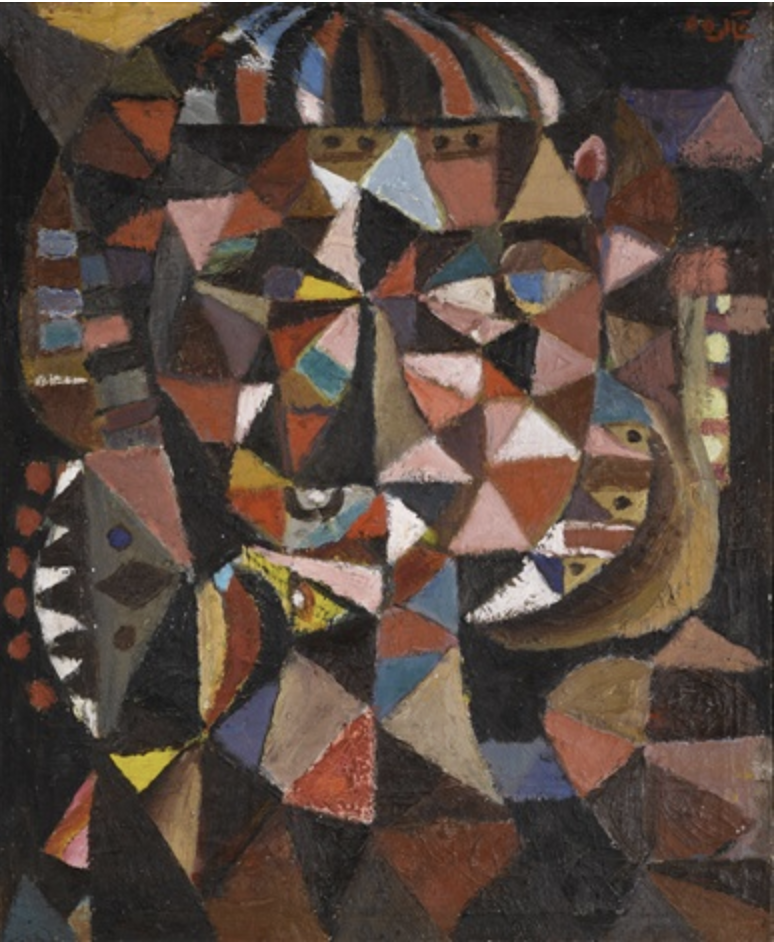
The clean geometry, the restraint, the refusal to over-explain. This is not minimalism for its own sake. It is the visual language of a family that has spent generations learning to say more with less.
What Continues
My grandfather passed away in Baghdad in 2004. His work is held in the collections of Mathaf: Arab Museum of Modern Art in Doha, the Guggenheim Abu Dhabi, the Barjeel Art Foundation in Sharjah, the Jordan National Gallery of Fine Arts, and many more. In 2017, his work was exhibited at the Venice Biennale as part of Iraq's national pavilion. In 2021, the family published Shakir Hassan Al Said: The One and Art through Skira.
His legacy is not just in museums. It is in the way our family sees the world: as a place where the ancient is always present, where heritage is not a relic but a living resource, where the act of making something with care and intention is itself a form of devotion.
Nineveh Laboratories is my canvas.
The capsule is my surface.
And the search continues.
عندما كنت صغيراً، كنت أجلس القرفصاء أمام رفّ كتب جدّي، وأسحب منه مجلداتٍ أثقل منّي. كتب عن النحت السومري. كتالوجات للأختام الأسطوانية البابلية. تواريخ رافدينية مجلّدة، مليئة بالصور التي كانت تُشعل في قلبي شيئاً لا أستطيع تفسيره. لم أكن أفهم معظم ما أقرأ. لكنّ شيئاً استحوذ عليّ، إحساسٌ بأنّ العالم الذي تصفه تلك الصفحات لم يمُت، بل هو ينتظر.
جدّي هو شاكر حسن آل سعيد.
صار واحداً من أهم الفنانين في العالم العربي. رسّاماً وفيلسوفاً ومنظّراً، شارك في تأسيس جماعة بغداد للفن الحديث عام 1951 إلى جانب جواد سليم، وكتب بيانها الأول في تاريخ العراق. ثم أسّس جماعة البعد الواحد، التي اشتقّت فلسفتها من التصوف والخط العربي والموروث الحضاري لبلاد الرافدين، لتُبدع شيئاً مغايراً تماماً. كان سؤال حياته: كيف تكرّم ما سبقك وتصنع في الآن ذاته شيئاً ينتمي إلى الحاضر؟
هذا السؤال بعينه يتردد في ذهني كل يوم.
الاكتشاف في اللوفر
في عام 1955، حصل جدّي على منحة لدراسة الفن في باريس. التحق بمدرسة الفنون الجميلة، وكان طريقه اليومي إلى الأستوديو يمرّ عبر شارع السين، وسط صالات الفن الأوروبي الحديث. لكنّ الاكتشاف الذي غيّر مجرى حياته لم يكن في الشارع، بل داخل اللوفر.
في قاعات الحضارة الرافدينية، وجد النقوش السومرية. واقفاً أمامها في متحف باريسي، على بُعد آلاف الأميال والسنين عن أصلها، أدرك شيئاً: كثافة اللون في تلك المنحوتات القديمة، والطريقة التي تذوب فيها الأشكال إلى تجريد، تعكس ما كان الحداثيون الأوروبيون يكتشفونه للتو. العالم القديم كان قد وصل إلى هذه الحقائق قبلهم.
هذا الإدراك، أن التراث والحداثة ليسا في تعارض بل في حوار، صار الأساس الذي أقام عليه كل شيء.
البعد الواحد
فلسفة جدّي التي أسمّاها "البعد الواحد" كانت محاولةً لتحديد النقطة التي يلتقي فيها المرئي واللامرئي. متجذّرةً في الفكر الصوفي، رأت في الفن تأمّلاً لا إبداعاً. الفنان لا يخترع؛ الفنان يشهد. سطح اللوحة ليس جداراً، بل عتبة.
استكشف هذا عبر الخط العربي، إذ جرّد الحروف من معناها اللغوي وتعامل معها بوصفها شكلاً خالصاً، هندسةً مشحونة بطاقة روحية. خدش قماشاته وحرقها وثقبها بحثاً عمّا يكمن تحت السطح. صارت جدران بغداد بكتاباتها المتراكمة وشقوقها وتشقّقاتها لا تقلّ أهمية عنده عن أي لوحة، لأنّها كانت سجلات للزمن نفسه.
"البعد الواحد هو الأبدية، امتداد الماضي إلى ما قبل وجود السطح ذاته."
شاكر حسن آل سعيد
إرث حفيد
لم أرث موهبة جدّي في الرسم. ورثت هوسه.
تلك الكتب التي سحبتها من رفوفه وأنا طفل لم تفارقني قط. الحضارة التي وصفتها، التي حدّقت في جدّي من قاعات اللوفر، والتي قضى عمره يترجمها إلى ألوان وأفكار، هي أساس مختبرات نينوى.
أنا صيدلاني بالتدريب وطالب طب. عالمي هو الأدلة السريرية وأشكال الجرعات والحرائك الدوائية. لكنّني كنت دائماً منجذباً إلى ذلك السؤال الذي أمضى جدّي حياته يبحث عنه: ماذا يحدث حين تأخذ شيئاً قديماً وتجعله حاضراً؟
النباتات والمركبات في صلب تركيباتنا، النيجيلا ساتيفا والزعفران وعسل التمر، ليست موضات عابرة. إنّها مكوّنات تظهر في النصوص الرافدينية عبر آلاف السنين، استخدمها المعالجون في أرض ما بين النهرين قبل أن تُعرف كلمة "مكمّل غذائي". البحث العلمي الحديث يؤكد اليوم ما أدركه أولئك الممارسون القدامى. نحن لا نبعث الماضي من رقاده. نحن نُكمل حواراً لم ينقطع.
التصميم كفلسفة
حين تنظر إلى هوية مختبرات نينوى البصرية، ستلمح صدى أعمال جدّي، وإن لم يكن بطريقة حرفية. التكتّلات اللونية في تغليفنا، والاختزال الهندسي في شعارنا، والتفاعل بين الضوء والعتمة: كلّ ذلك ينهل من المنبع ذاته.
كان جدّي يؤمن بأنّ الحرف العربي ليس رمزاً فحسب، بل شكل له ثقله الروحي الخاص. علامتنا المستوحاة من الكتابة المسمارية تحمل القناعة نفسها: الشكل قادر على إيصال أكثر مما يصوّر. التصميم ليس زخرفة، بل حجّة حول ما يستحق الاهتمام.
الهندسة النظيفة والرصانة ورفض الإفراط في الشرح، ليس زهداً في الجمال، بل هي اللغة البصرية لعائلة أمضت أجيالاً تتعلّم كيف تقول أكثر بأقل.
ما يتواصل
رحل جدّي في بغداد عام 2004. تحتضن أعماله مجموعات متحف مثاف للفن العربي الحديث في الدوحة، وغوغنهايم أبوظبي، ومؤسسة البارجيل للفنون في الشارقة، والغاليري الوطني الأردني، وغيرها كثير. في عام 2017، عُرضت أعماله في بينالي البندقية ضمن الجناح العراقي الوطني. وفي عام 2021، أصدرت الأسرة كتاب شاكر حسن آل سعيد: الواحد والفن عن دار سكيرا.
إرثه لا يقيم في المتاحف وحدها. إنّه يكمن في الطريقة التي ترى بها عائلتنا العالم: مكاناً يحضر فيه القديم دائماً، والتراث فيه ليس أثراً جامداً بل مورداً حياً، وفعل صنع شيء بعناية ونية هو في حدّ ذاته ضرب من التفاني.
مختبرات نينوى هي لوحتي.
الكبسولة هي سطحي.
والبحث مستمر.